













































“`html
The Ultimate Guide to Maximizing Cannabis Yields: Strategies for Optimal Growth and Harvest
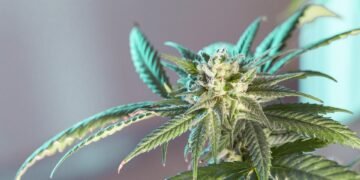
As cannabis legalization sweeps across the globe, more individuals are exploring the rewarding venture of cultivating their own plants. Whether you’re a novice or an experienced grower, enhancing your cannabis yields is paramount for reaping the full benefits of your cultivation efforts. This comprehensive guide will explore a variety of strategies to help you foster optimal growth and achieve bountiful harvests.
Choosing the Right Strain
The journey to maximizing your cannabis yields begins with selecting the right strain. Different cannabis strains come with diverse growth patterns, yield potentials, and effects, making it essential to choose strains that suit both your growing environment and personal preferences. Here are some important factors to consider when selecting your strain:
Indica vs. Sativa
Indica strains are typically bushier and yield more per plant, making them a popular choice for growers seeking maximum output. In contrast, sativa strains tend to grow taller and may require more vertical space, but they often bring unique flavors and effects. If you’re aiming for higher yields, consider focusing on indica-dominant hybrids, as they generally offer a good balance of growth and potency.
Explore all articles: Cannabis growing guide
Flowering Time
The time it takes for a strain to flower can significantly impact your growing cycle. Fast-flowering strains allow for multiple harvests within a year, while longer-flowering strains might yield more substantial quantities but require patience. Consider your growing setup and how many harvests you wish to achieve in a given timeframe when selecting your strains.
Environmental Suitability
Understanding your own growing conditions is crucial. Some strains thrive better in outdoor settings, while others are specifically bred for indoor cultivation. Choose a strain that aligns well with your growing setup for optimal results. If you’re growing indoors, look for strains that are known to perform well under artificial lighting, while outdoor growers should consider strains that can withstand local climate conditions.
Optimizing Growing Conditions
Creating the ideal environment for your cannabis plants is vital in maximizing yields. Optimal growing conditions include providing the right amount of light, water, nutrients, and temperature. Here are key elements to focus on:
Light
Light is perhaps the most critical factor in cannabis cultivation. The type, intensity, and duration of light can drastically affect plant growth and yield. Indoor growers often utilize high-intensity discharge (HID) lights, light-emitting diodes (LEDs), or fluorescent lights, while outdoor growers benefit from natural sunlight.
For optimal growth, cannabis plants generally require 18-24 hours of light during the vegetative stage and 12 hours of light and 12 hours of darkness during the flowering stage. Consider using a light meter to ensure your plants receive adequate light across their growth spectrum.
Water
Proper watering is essential for healthy cannabis plants. Overwatering can lead to root rot, while underwatering can cause stress and hinder growth. It’s important to find a balance based on your strain, the growing medium, and environmental conditions. A good rule of thumb is to allow the top inch of soil to dry out before watering again.
Additionally, consider using pH-balanced water, as cannabis plants thrive in a pH range of 6.0 to 7.0. Regularly testing and adjusting the pH of your water can maximize nutrient uptake and promote healthy growth.
Nutrients
Cannabis plants require a variety of nutrients for optimal growth. The primary nutrients include nitrogen (N), phosphorus (P), and potassium (K), commonly referred to as NPK. During the vegetative stage, plants require higher levels of nitrogen for leafy growth, while during flowering, they need more phosphorus and potassium to support bud development.
Utilizing quality fertilizers and soil amendments can significantly impact your yields. Organic options, such as compost and worm castings, provide beneficial microorganisms that enhance nutrient availability. Additionally, consider using nutrient solutions designed specifically for cannabis during different growth stages.
Temperature and Humidity
Temperature and humidity levels play a crucial role in cannabis growth. Ideally, temperatures should range from 70-85°F (20-30°C) during the day and slightly cooler at night. Maintaining humidity levels between 40-60% during the vegetative stage and reducing it to 40-50% during flowering can prevent mold and mildew.
Using tools like thermometers and hygrometers can help you monitor your environment. If temperatures or humidity levels are outside the optimal range, consider using fans, dehumidifiers, or heaters to maintain a stable climate.
Training Techniques for Maximum Yields
In addition to optimizing growing conditions, employing various training techniques can significantly boost your cannabis yields. These methods help manipulate plant growth to create a more productive canopy and improve light penetration. Here are some popular training methods to consider:
Low-Stress Training (LST)
Low-stress training involves gently bending and tying down branches to create an even canopy. This technique encourages the plant to produce multiple colas rather than a single main bud, resulting in more even light distribution and increased yields. LST is best started early in the vegetative stage when plants are more pliable.
High-Stress Training (HST)
High-stress training includes techniques like topping and fimming, which involve cutting the main stem or branches to promote bushier growth. While this method can lead to larger yields, it also puts the plant under stress, so it’s essential to monitor recovery and ensure proper care afterward.
Screen of Green (ScrOG)
ScrOG involves using a screen or net to support plant branches and create an even canopy. This technique maximizes light exposure and encourages the growth of multiple buds. By weaving branches through the screen, growers can effectively control plant height and promote even growth across the entire plant.
Pest and Disease Management
Maintaining a healthy growing environment is crucial for maximizing yields. Pests and diseases can wreak havoc on your plants, leading to reduced growth and lower yields. Implementing preventive measures and being proactive in pest management can help safeguard your crop.
Preventive Measures
Regularly inspecting plants for signs of pests or diseases is essential. Additionally, maintaining proper sanitation in your growing area, using clean tools, and ensuring good airflow can help prevent infestations. Introducing beneficial insects, such as ladybugs or predatory mites, can also help keep pest populations in check.
Common Pests and Diseases
Some common pests include aphids, spider mites, and whiteflies. If you notice any of these pests, consider using organic insecticides or neem oil to manage infestations. Fungal diseases, such as powdery mildew, can also be problematic. Ensuring good airflow and avoiding excessive humidity can help prevent these issues.
Understanding Harvest Timing
Knowing when to harvest your cannabis plants can significantly impact the quality and yield of your final product. Harvesting too early or too late can lead to diminished potency and flavor. Here are some tips to help you determine the right time to harvest:
Trichome Color
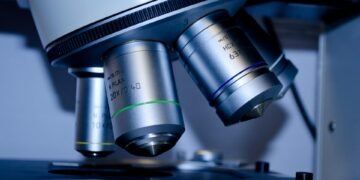
One of the most reliable methods for determining harvest time is examining the trichomes on your buds. Using a magnifying glass or microscope, look for the color of the trichomes. Clear trichomes indicate that the plant is not ready, while cloudy trichomes suggest peak potency. Amber trichomes indicate that the plant is past its prime, leading to a more sedative effect. A mix of cloudy and amber trichomes is often considered ideal for harvest.
Plant Health
Monitor the overall health of your plants as they approach maturity. Yellowing leaves or signs of stress can indicate that it’s time to harvest. Additionally, consider the strain’s flowering time to gauge when to start closely monitoring trichome development.
Post-Harvest Care
After harvesting your cannabis, proper post-harvest care is crucial for preserving quality and maximizing the benefits of your hard work. Here are some essential steps to follow:
Curing
Curing your cannabis involves slowly drying the buds to enhance flavor and potency. Hang the branches in a cool, dark, and well-ventilated area for several days until they feel dry to the touch. Then, place the buds in airtight containers, opening them regularly to allow moisture to escape and fresh air to circulate. Curing can take several weeks to a few months, but the results are worth the wait.
Storage
Once your cannabis is properly cured, store it in a cool, dark place in airtight containers. Avoid exposure to light, heat, and moisture, which can degrade the quality of your buds over time. Glass jars or vacuum-sealed bags are ideal for long-term storage.
Conclusion
Maximizing your cannabis yields requires a combination of selecting the right strains, optimizing growing conditions, employing effective training techniques, and managing pests and diseases. With careful attention to detail and a commitment to learning, both novice and experienced growers can achieve impressive harvests. Remember, cultivation is an art and a science; experiment with different techniques, and don’t hesitate to adapt your methods based on your unique growing conditions. Happy growing!
Key Takeaways
- Choose strains that suit your growing environment and personal preferences.
- Optimize light, water, nutrients, and temperature for healthy plant growth.
- Employ training techniques like LST, HST, and ScrOG to maximize yields.
- Implement pest and disease management strategies to protect your plants.
- Monitor trichomes to determine the optimal harvest time and cure your buds for better quality.
Frequently Asked Questions (FAQ)
What are the best strains for high yields?
Indica-dominant hybrids are often recommended for higher yields, but always consider the specific growing conditions and your preferences.
How often should I water my cannabis plants?
Watering frequency depends on various factors, including plant size and environmental conditions. A good rule is to water when the top inch of soil is dry.
What is the ideal temperature for cannabis growth?
The ideal temperature for cannabis growth typically ranges from 70-85°F (20-30°C) during the day and slightly cooler at night.
How can I tell if my cannabis is ready for harvest?
Check the trichomes using a magnifying glass; cloudy trichomes indicate peak potency, while amber trichomes suggest the plant is past its prime.
Sources
“`