
































































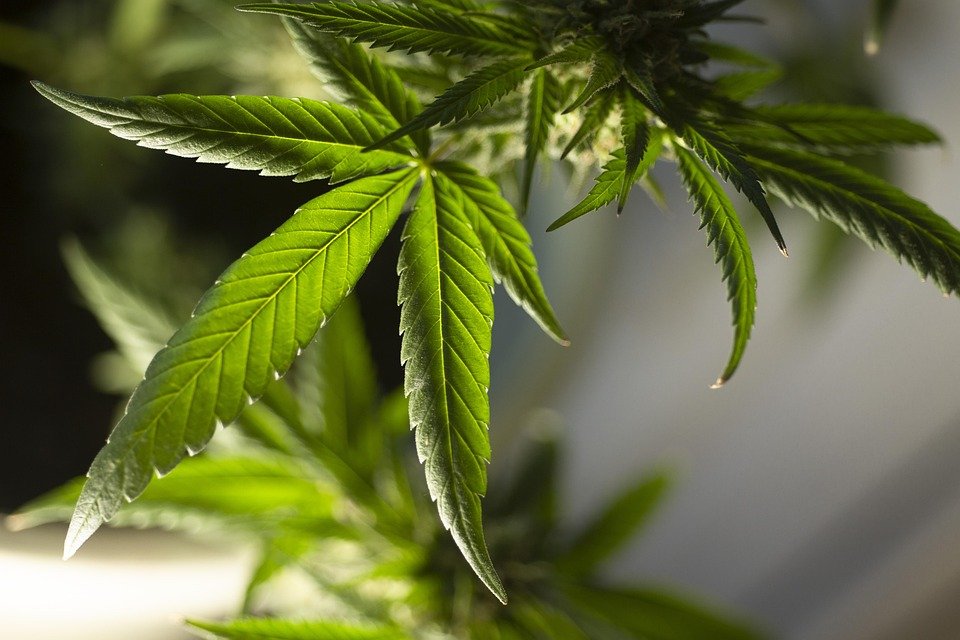
Medical marijuana, also known as medical cannabis, has been a topic of much debate and research in recent years. With increasing legalization and acceptance, the impact of medical marijuana on wellness is becoming more evident. From pain management to mental health benefits, the healing power of medical marijuana is unlocking new possibilities for individuals seeking alternative forms of treatment.
Key Takeaways
- Medical marijuana has been found to be effective in managing chronic pain.
- It can help alleviate symptoms of anxiety and depression.
- Research suggests that medical marijuana may have neuroprotective properties.
- Proper dosage and administration are crucial for maximizing the benefits of medical marijuana.
The Role of Medical Marijuana in Pain Management
One of the most well-known benefits of medical marijuana is its effectiveness in managing chronic pain. Studies have shown that cannabinoids, the active compounds in marijuana, can interact with the body’s endocannabinoid system to reduce pain perception. Whether it’s neuropathic pain, arthritis, or migraines, medical marijuana offers a natural alternative to traditional pain medications.
Improving Mental Health with Medical Marijuana
In addition to pain management, medical marijuana has shown promise in alleviating symptoms of anxiety and depression. The cannabinoids in marijuana can act on the brain’s receptors involved in mood regulation, providing relief for those struggling with mental health disorders. However, it’s important to consult with a healthcare provider to determine the right strain and dosage for individual needs.
Exploring the Neuroprotective Properties of Medical Marijuana
Recent research has also suggested that medical marijuana may have neuroprotective properties, making it a potential treatment option for neurological disorders such as epilepsy and multiple sclerosis. The anti-inflammatory and antioxidant effects of cannabinoids can help protect brain cells from damage and promote overall brain health. As more studies are conducted in this area, the therapeutic potential of medical marijuana continues to expand.
Optimizing Treatment with Proper Dosage and Administration
While the benefits of medical marijuana are clear, it’s essential to emphasize the importance of proper dosage and administration. Individual responses to medical marijuana can vary, and finding the right balance is crucial for maximizing its therapeutic effects. Working with a knowledgeable healthcare provider and starting with a low dose can help minimize potential side effects and ensure a positive treatment experience.
FAQ
How does medical marijuana differ from recreational marijuana?
Medical marijuana is used for therapeutic purposes to treat specific medical conditions, while recreational marijuana is used for recreational purposes to achieve a “high.” Medical marijuana is often prescribed by a healthcare provider and may contain different cannabinoid ratios than recreational marijuana.
What conditions can medical marijuana treat?
Medical marijuana has been found to be effective in treating a variety of conditions, including chronic pain, anxiety, depression, epilepsy, multiple sclerosis, and PTSD. It is important to consult with a healthcare provider to determine if medical marijuana is a suitable treatment option for a specific condition.
Is medical marijuana legal everywhere?
Medical marijuana laws vary by state and country, with some regions legalizing its use for medical purposes and others maintaining strict restrictions. It is essential to research and understand the laws regarding medical marijuana in your area before seeking treatment.
What are the potential side effects of medical marijuana?
Common side effects of medical marijuana may include dry mouth, red eyes, impaired motor coordination, increased heart rate, and memory impairment. These side effects are typically mild and temporary, but it’s important to monitor your response to medical marijuana and adjust dosage as needed.