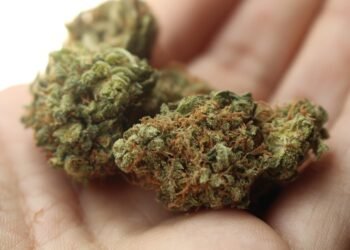

































































As the debate over marijuana legalization continues to gain momentum, it is important to consider the various arguments for and against this controversial issue. Cannabis, also known as marijuana, has been used for medicinal and recreational purposes for centuries. However, its legality remains a divisive topic in many parts of the world.
Key Takeaways
- Legalizing marijuana can lead to economic benefits through taxation and job creation.
- Medical marijuana has been shown to have numerous health benefits, including pain relief and anxiety reduction.
- Criminalizing marijuana can disproportionately affect minority communities.
- Regulating marijuana can help ensure product safety and quality control.
The Economic Benefits of Legalizing Marijuana
One of the key arguments in favor of legalizing marijuana is the potential economic benefits it can bring. By taxing marijuana sales, governments can generate significant revenue that can be used to fund various public programs. Additionally, the legalization of marijuana can create new job opportunities in the cannabis industry, from cultivation to retail.
The Health Benefits of Medical Marijuana
Medical marijuana has been shown to have numerous health benefits for patients suffering from a variety of conditions. From pain relief to anxiety reduction, cannabis can be a valuable treatment option for many individuals. Legalizing medical marijuana can provide patients with safe and regulated access to this potentially life-changing medicine.
Social Justice and Marijuana Legalization
Criminalizing marijuana can have a disproportionate impact on minority communities, leading to higher incarceration rates and perpetuating systemic inequalities. By legalizing and regulating marijuana, we can work towards a more just and equitable society where all individuals have equal access to cannabis products.
Regulating Marijuana for Safety and Quality Control
One of the key benefits of legalizing marijuana is the ability to regulate the product for safety and quality control. By establishing standards for cultivation, manufacturing, and distribution, governments can ensure that consumers are getting safe and reliable cannabis products. This can help reduce the risk of contamination and other health hazards associated with black market marijuana.
FAQs
Is marijuana addictive?
While marijuana can be habit-forming for some individuals, it is not considered as addictive as other substances like alcohol or tobacco. However, some people may develop a dependence on marijuana and experience withdrawal symptoms when they stop using it.
Can marijuana be used as a treatment for mental health conditions?
Research has shown that marijuana can have both positive and negative effects on mental health. While some individuals may find relief from conditions like anxiety and PTSD, others may experience heightened anxiety or paranoia. It is important to consult with a healthcare provider before using marijuana for mental health purposes.
Does marijuana have any long-term effects on the brain?
Long-term marijuana use has been associated with cognitive impairments, particularly in individuals who began using marijuana at a young age. However, more research is needed to fully understand the long-term effects of marijuana on the brain.
Is marijuana safer than alcohol or tobacco?
While marijuana is not without risks, some studies suggest that it may be less harmful than alcohol or tobacco in terms of physical health. However, each substance has its own set of risks and potential consequences, and it is important to use marijuana responsibly.