
































































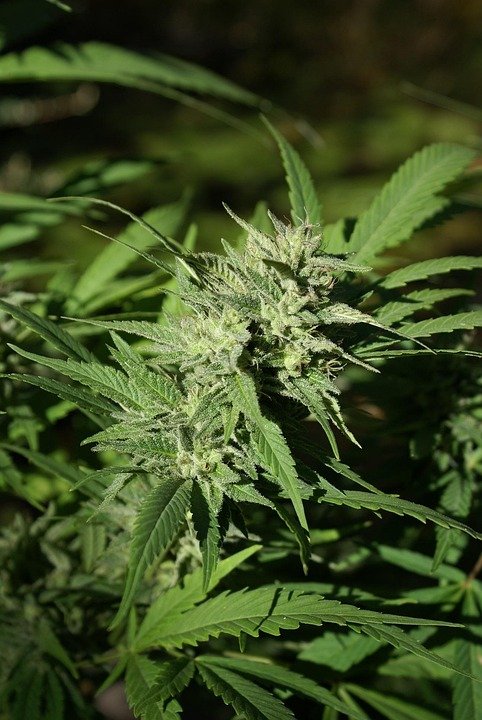
Plants have been used for their medicinal properties for centuries, and one plant that has been gaining popularity in recent years for its health benefits is cannabis. Cannabis, also known as marijuana, contains compounds that have been shown to have various therapeutic effects on the body. From reducing pain and inflammation to improving sleep and mood, cannabis nutrition can offer a wide range of benefits when used appropriately.
Key Takeaways
- Cannabis contains compounds that have therapeutic effects on the body.
- It can help reduce pain and inflammation.
- Cannabis nutrition can improve sleep and mood.
- Proper usage and dosage are crucial for maximizing benefits.
The Endocannabinoid System: How Cannabis Interacts with Our Bodies
One of the reasons cannabis is so effective in promoting health is its interaction with the endocannabinoid system (ECS) in our bodies. The ECS plays a crucial role in regulating various physiological processes, including mood, pain sensation, appetite, and memory. The cannabinoids found in cannabis, such as THC and CBD, mimic the effects of the endocannabinoids produced by our bodies, helping to restore balance and promote overall well-being.
Choosing the Right Cannabis Products for Nutrition
When it comes to incorporating cannabis into your diet for its health benefits, it’s essential to choose the right products. Whether you prefer edibles, tinctures, or topical creams, make sure to select high-quality, lab-tested products from reputable sources. Look for products with a balanced ratio of THC to CBD to maximize the therapeutic effects while minimizing any potential psychoactive effects.
Optimizing Dosage and Consumption Methods
Proper dosage and consumption methods are crucial when using cannabis for nutrition. Start with a low dose and gradually increase it until you find the right balance for your needs. Experiment with different consumption methods, such as vaping, sublingual administration, or topical application, to determine which works best for you. Remember that individual responses to cannabis can vary, so listen to your body and adjust accordingly.
Potential Risks and Precautions to Consider
While cannabis nutrition can offer numerous benefits, it’s essential to be aware of potential risks and take precautions. Some people may experience side effects such as dizziness, dry mouth, or impaired coordination when using cannabis. Additionally, cannabis can interact with certain medications, so consult with a healthcare provider before incorporating it into your diet, especially if you have underlying health conditions.
FAQ
Is cannabis legal for medicinal use?
The legality of cannabis for medicinal use varies by country and state. In some places, cannabis is legal for medical purposes with a prescription, while in others, it remains illegal. It’s essential to check the laws in your area before using cannabis for medicinal reasons.
Can cannabis help with anxiety and depression?
Some studies suggest that cannabis may have potential benefits for anxiety and depression due to its effects on the endocannabinoid system. However, individual responses to cannabis can vary, and more research is needed to determine its efficacy for mental health conditions.
What are the differences between THC and CBD?
THC (tetrahydrocannabinol) is the cannabinoid in cannabis that produces psychoactive effects, while CBD (cannabidiol) is non-psychoactive and has therapeutic properties. THC is commonly associated with the “high” feeling, while CBD is known for its anti-inflammatory and analgesic effects.
Are there any contraindications for using cannabis?
Some people should avoid using cannabis, including pregnant or nursing women, individuals with a history of substance abuse, and those with certain mental health conditions. It’s essential to consult with a healthcare provider before using cannabis, especially if you have any underlying health concerns.