













































Hemp fiber is a versatile and sustainable material that has been used for centuries in various industries, including textiles. With the growing awareness of environmental issues and the need for sustainable practices, hemp fiber is gaining popularity as a eco-friendly alternative to traditional textiles. In this article, we will explore the sustainable power of hemp fiber and its future in the textile industry.
Key Takeaways
- Hemp fiber is a sustainable and eco-friendly material.
- Hemp fiber is durable and has natural antimicrobial properties.
- Hemp cultivation requires less water and pesticides compared to other crops.
- The future of eco-friendly textiles lies in harnessing the potential of hemp fiber.
The Benefits of Hemp Fiber in Textiles
Hemp fiber is known for its durability and strength, making it an excellent choice for textiles. It is also naturally resistant to mold and mildew, making it ideal for use in damp or humid climates. Additionally, hemp fiber has natural antimicrobial properties, which can help reduce the growth of bacteria and odors in textiles.
How to Incorporate Hemp Fiber into Your Wardrobe
There are many ways to incorporate hemp fiber into your wardrobe, from clothing to accessories. Look for brands that use hemp fiber in their products, or consider buying hemp fabric and creating your own sustainable clothing. Hemp fiber is versatile and can be used to make a wide range of items, from t-shirts to bags to shoes.
The Environmental Impact of Hemp Cultivation
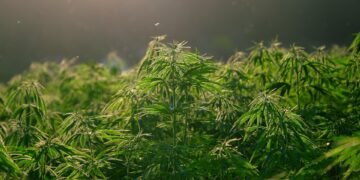
Compared to other crops, hemp cultivation requires significantly less water and pesticides. Hemp plants are also known for their ability to improve soil health, making them a sustainable choice for farmers. By choosing products made from hemp fiber, consumers can support environmentally friendly practices and reduce their carbon footprint.
Innovations in Hemp Textile Technology
Advancements in textile technology have made it easier to process hemp fiber and create a wide range of textiles. From soft and breathable fabrics to durable and long-lasting materials, hemp fiber can be used in a variety of applications. Innovations in hemp textile technology continue to expand the possibilities for sustainable fashion and textiles.
FAQ
Is hemp fiber legal to use in textiles?
Yes, hemp fiber is legal to use in textiles in many countries, including the United States. However, regulations may vary, so it is important to check the laws in your region before using hemp fiber in textile production.
What are the benefits of using hemp fiber in textiles?
Some benefits of using hemp fiber in textiles include its sustainability, durability, and natural antimicrobial properties. Hemp fiber is also biodegradable, making it a more environmentally friendly choice compared to synthetic fibers.
How does hemp cultivation impact the environment?
Hemp cultivation has a lower environmental impact compared to other crops, as it requires less water and pesticides. Hemp plants also help improve soil health, making them a sustainable choice for farmers looking to reduce their environmental footprint.
What is the future of hemp fiber in the textile industry?
The future of hemp fiber in the textile industry looks promising, as more brands and consumers are turning to sustainable materials. With advancements in hemp textile technology and growing awareness of environmental issues, hemp fiber is poised to become a mainstream choice for eco-friendly textiles.