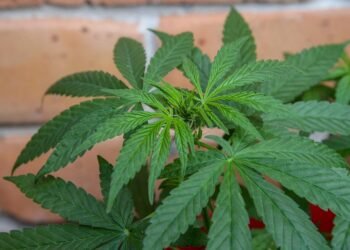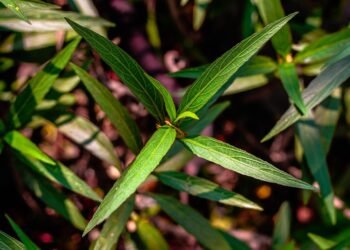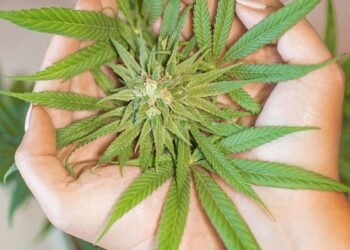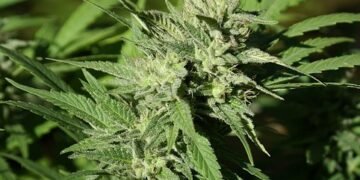


























































Cannabis cultivation has become increasingly popular in recent years, as more states and countries legalize the use of marijuana for medical and recreational purposes. Whether you’re a novice grower or an experienced cultivator, mastering the art of growing cannabis is essential to producing high-quality yields. By following some key tips and best practices, you can ensure a successful and bountiful harvest of your favorite cannabis strains.
Key Takeaways
- Choose the right cannabis strain for your growing environment.
- Provide the optimal growing conditions, including lighting, temperature, and humidity.
- Use high-quality soil or nutrients for healthy plant growth.
- Monitor and adjust watering and feeding schedules to prevent nutrient deficiencies or overfeeding.
1. Selecting the Right Cannabis Strain
When it comes to cannabis cultivation, choosing the right strain for your growing environment is crucial. Consider factors such as the plant’s size, flowering time, and resistance to pests and diseases. Indica strains are known for their relaxing effects and shorter flowering periods, making them ideal for indoor cultivation. Sativa strains, on the other hand, tend to produce more energizing effects and have longer flowering times, making them better suited for outdoor grows.
2. Providing Optimal Growing Conditions
Creating the perfect environment for your cannabis plants is essential for maximizing yields. Ensure your plants receive adequate lighting, whether natural sunlight or artificial grow lights. Maintain the proper temperature and humidity levels to prevent mold and mildew growth. Proper ventilation and air circulation are also important for preventing heat stress and ensuring healthy plant development.
3. Using Quality Soil or Nutrients
The quality of the soil or nutrients you use can greatly impact the health and growth of your cannabis plants. Choose a high-quality organic soil mix or nutrient solution that provides the essential nutrients your plants need to thrive. Avoid over-fertilizing, as this can lead to nutrient burn and other issues. Consider using compost teas or organic fertilizers to promote healthy soil microbiology and nutrient uptake.
4. Monitoring Watering and Feeding Schedules
Overwatering and underfeeding are common mistakes that can negatively impact your cannabis plants. Monitor the moisture levels of your soil and adjust your watering schedule accordingly. Be mindful of nutrient deficiencies or excesses, and adjust your feeding regimen to meet your plants’ needs. Consider using a pH meter to ensure proper nutrient absorption and prevent nutrient lockout.
FAQ
Q: How often should I water my cannabis plants?
A: The frequency of watering your cannabis plants will depend on various factors such as the size of the plants, the growing medium, and environmental conditions. It’s important to allow the soil to dry out slightly between waterings to prevent overwatering.
Q: What are common pests and diseases that affect cannabis plants?
A: Some common pests that can infest cannabis plants include spider mites, aphids, and whiteflies. Diseases such as powdery mildew, botrytis, and root rot can also affect plant health. Regular monitoring and proper hygiene practices can help prevent and manage pest and disease issues.
Q: How can I increase the potency of my cannabis plants?
A: To increase the potency of your cannabis plants, consider factors such as genetics, growing conditions, and post-harvest processing. Providing optimal growing conditions, including proper lighting, nutrients, and environmental factors, can help maximize cannabinoid and terpene production in your plants.
Q: When is the best time to harvest cannabis plants?
A: The best time to harvest cannabis plants will depend on the strain and desired effects. Monitor the trichomes on the buds using a magnifying glass to determine the optimal harvest time. Trichomes should be milky white or amber in color for peak potency and flavor.