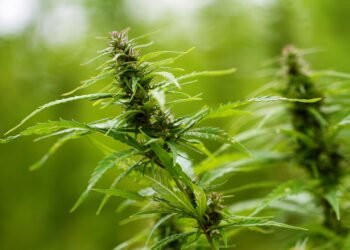
































































The hemp industry has experienced significant growth in recent years, thanks to the increased awareness of the potential benefits of hemp-derived products. However, navigating the complex regulatory landscape surrounding hemp can be challenging for businesses looking to capitalize on this trend. Understanding the regulations and compliance requirements is essential for success in the hemp industry.
Key Takeaways
- Understanding hemp regulations is crucial for success in the industry.
- Compliance with regulations ensures the quality and safety of hemp products.
- Regulations vary by state and country, so it’s important to stay informed.
- Consulting with legal experts can help navigate the complex regulatory environment.
The Farm Bill and Hemp Legalization
The passage of the 2018 Farm Bill legalized the cultivation, production, and sale of hemp at the federal level in the United States. This landmark legislation removed hemp from the list of controlled substances and classified it as an agricultural commodity. However, states have the authority to regulate hemp production within their borders, leading to a patchwork of regulations across the country.
Quality Control and Testing
Ensuring the quality and safety of hemp products is crucial for consumer trust and regulatory compliance. Hemp products should undergo rigorous testing for potency, purity, and contaminants. Third-party testing labs can provide accurate and reliable results, helping businesses meet regulatory requirements and maintain high-quality standards.
Labeling and Marketing Compliance
Proper labeling and marketing of hemp products are essential for compliance with regulations and consumer transparency. Labels should accurately reflect the contents of the product, including CBD content, ingredients, and serving sizes. Marketing claims should be supported by scientific evidence and comply with advertising standards to avoid regulatory scrutiny.
International Regulations and Trade
As the hemp industry expands globally, businesses must navigate international regulations and trade agreements. Different countries have varying rules and restrictions on hemp cultivation, production, and export/import. Understanding these regulations is critical for companies looking to expand their operations beyond domestic markets.
FAQ
What are the key regulations that govern the hemp industry in the United States?
The key regulations governing the hemp industry in the United States include the 2018 Farm Bill, the USDA’s interim final rule on hemp production, and state-specific regulations on cultivation, processing, and sale of hemp products.
How can businesses ensure compliance with hemp regulations?
Businesses can ensure compliance with hemp regulations by staying informed about the latest developments, conducting regular testing of products, maintaining accurate records, and seeking legal advice when needed.
Are there any restrictions on the marketing of hemp products?
Yes, there are restrictions on the marketing of hemp products, including limitations on health claims, false advertising, and marketing to minors. Businesses should ensure that their marketing practices are in line with regulatory guidelines to avoid penalties.
What should businesses consider when exporting hemp products internationally?
When exporting hemp products internationally, businesses should consider the regulations of the destination country, obtain necessary permits and certifications, ensure compliance with international trade agreements, and work with experienced import/export partners.