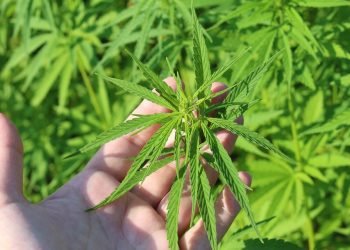

































































Unraveling the Genetic Tapestry of Cannabis: Exploring the Origins and Diversity of Strain Genetics
Introduction
Cannabis is a plant that has been cultivated and used for thousands of years for its medicinal, recreational, and industrial purposes. In recent years, there has been a growing interest in understanding the genetic makeup of cannabis strains to better understand their effects, potency, and medical benefits. With the legalization of cannabis in many parts of the world, researchers and breeders are now able to study the genetic tapestry of cannabis in more depth than ever before.
The Basics of Cannabis Genetics
At its core, cannabis genetics are the blueprint that determines the plant’s physical characteristics, cannabinoid and terpene profiles, and overall effects. Each cannabis plant has a unique genetic code that dictates its growth patterns, flowering times, and chemical composition.
Understanding Cannabinoids and Terpenes
Cannabinoids are the chemical compounds in cannabis that interact with the body’s endocannabinoid system to produce various effects. The two most well-known cannabinoids are THC (tetrahydrocannabinol) and CBD (cannabidiol), but there are over 100 other cannabinoids present in cannabis, each with its own unique properties.
Terpenes are aromatic compounds found in the essential oils of cannabis and other plants. They are responsible for the plant’s distinctive smells and flavors and can also influence the effects of cannabinoids. Understanding the interplay between cannabinoids and terpenes is crucial for creating new cannabis strains with specific effects and characteristics.
The Origins of Cannabis Genetics
Cannabis is believed to have originated in Central Asia, where it was first domesticated for its fiber and seeds. Over time, different cannabis strains emerged as a result of natural selection, human cultivation, and crossbreeding. Today, there are thousands of different cannabis strains, each with its own unique genetic makeup and characteristics.
Landrace Strains
Landrace strains are indigenous cannabis varieties that have adapted to their specific environments over centuries. These strains are often pure and have not been crossbred with other varieties, making them valuable for breeding new cannabis hybrids with unique traits.
Hybridization and Crossbreeding
Hybrid cannabis strains are created by crossbreeding two or more different cannabis varieties to combine their desirable traits. This process allows breeders to create new strains with specific cannabinoid and terpene profiles, growth patterns, and effects. Hybridization has led to the wide variety of cannabis strains available today, each with its own unique genetic makeup.
Exploring Genetic Diversity in Cannabis
The genetic diversity of cannabis is vast, with each strain containing a unique combination of genes that determine its characteristics. By studying the genetic makeup of cannabis strains, researchers can better understand how different genes interact to produce specific effects and traits.
Genetic Testing and Sequencing
Advances in genetic testing and sequencing technology have made it possible to analyze the DNA of cannabis plants in detail. This allows researchers to identify specific genes that are responsible for traits such as potency, terpene production, and disease resistance. Genetic testing can also help breeders select plants with desirable traits for future breeding projects.
Genetic Mapping and Marker-Assisted Breeding
Genetic mapping involves creating a map of the cannabis genome to identify specific genes and genetic markers associated with desirable traits. Marker-assisted breeding uses this information to select plants with the desired genetic traits, making the breeding process more efficient and targeted.
Practical Applications of Cannabis Genetics
Understanding the genetic makeup of cannabis strains has numerous practical applications, from breeding new strains with specific characteristics to improving crop yields and disease resistance. Here are some practical tips for harnessing the power of cannabis genetics:
Selecting Breeding Stock
When breeding cannabis strains, it’s essential to select plants with desirable traits such as high potency, unique flavors, and disease resistance. By analyzing the genetic makeup of potential breeding stock, breeders can choose plants that are likely to produce offspring with the desired characteristics.
Creating Custom Cannabis Strains
By understanding the genetic makeup of cannabis strains, breeders can create custom strains with specific cannabinoid and terpene profiles. This allows for the development of strains tailored to meet the needs of medical patients, recreational users, and industrial growers.
Improving Crop Yields and Quality
Genetic testing can help identify genes that are associated with high crop yields, resistance to pests and diseases, and other desirable traits. By selecting plants with these genes, growers can improve the quality and quantity of their cannabis harvests.
Conclusion
Unraveling the genetic tapestry of cannabis is an exciting and rapidly evolving field of research that holds great promise for the future of cannabis cultivation and consumption. By exploring the origins and diversity of strain genetics, researchers and breeders can unlock the full potential of this versatile plant and create new and innovative cannabis strains with unique characteristics and effects.